
When you’re moving out, it’s not just about packing up and finding those spare keys you definitely put somewhere “safe”. There’s also the cleaning part, and yeah, it matters because the place needs to be left tidy for that final inspection.
So if you’re getting ready for end of lease cleaning in Oatley, doing it room by room can help, a lot. Instead of wandering around with a cloth, squinting at every surface like you’re trying to remember your childhood, you can go area by area, and honestly, it’s easier to see what’s done and what still needs a bit of work.
NSW Fair Trading says tenants should leave the rental as close as possible to how it was at the start of the tenancy, factoring in fair wear and tear. That original condition report can be your quick comparison tool, before you decide “eh, it looks clean enough”.
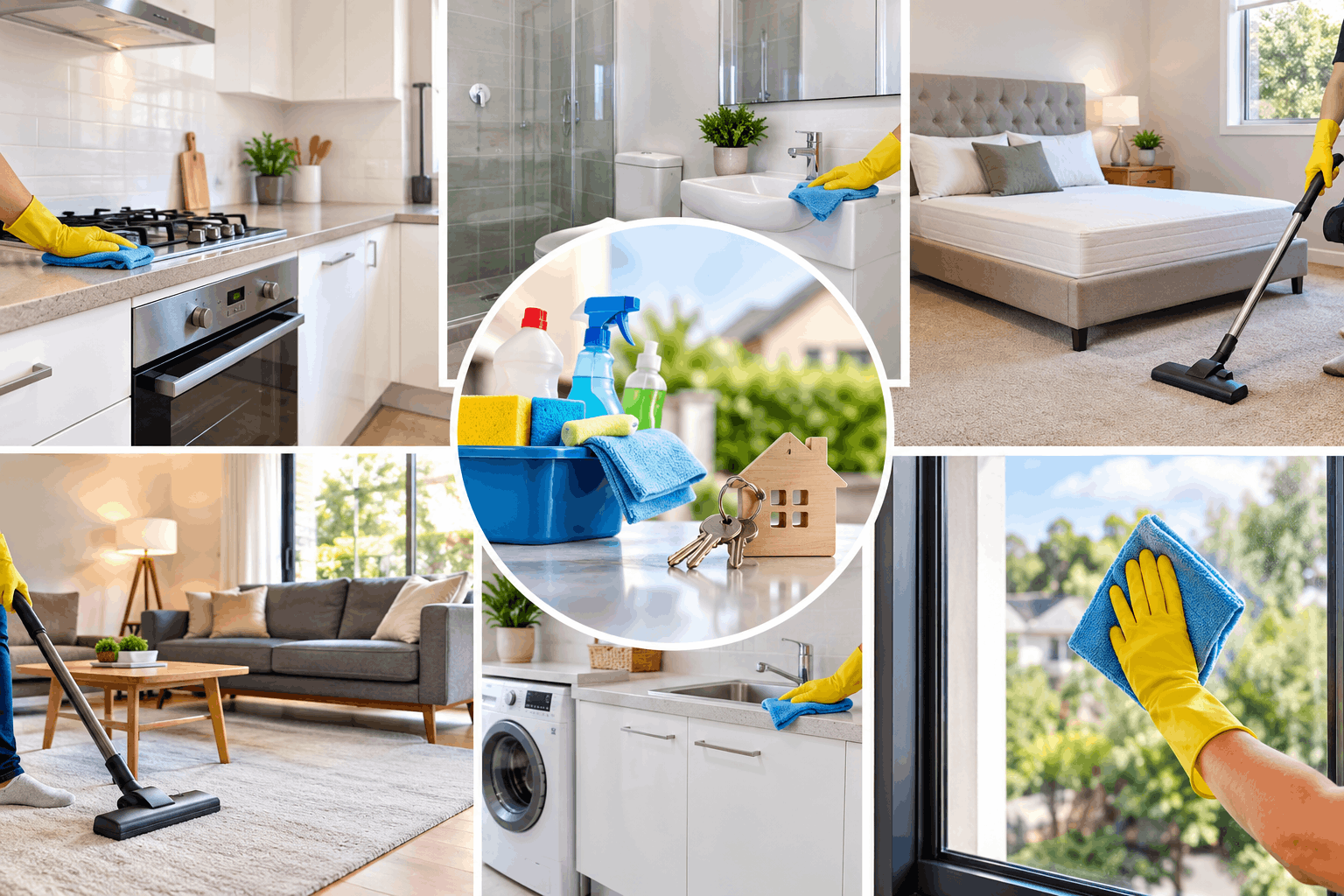
Start With the Kitchen
The kitchen usually gets the worst of it. Cooking can leave grease, food bits, and grime behind, and it’s the kind of mess that hides, even when you think you’ve cleaned properly.
First, tackle the oven, cooktop and rangehood. Get rid of food residue from the oven and clean the trays if they’re included. Then wipe the cooktop and clean the accessible areas around the rangehood, no need to go beyond what you can reach safely.
After that, move to the benchtops, splashback, sink and taps. Empty the cupboards and drawers, then wipe the inside surfaces and clear crumbs or dust. Don’t skip cupboard handles either, plus appliance surfaces and the areas underneath items you can remove.
Finish by vacuuming or sweeping the floor, then mop it based on what the flooring actually is.
A handy way to think about it is: clean what you use every day, then check the spots you usually ignore, even a little bit.
Give the Bathroom a Detailed Clean
Bathrooms can’t really be handled with a quick wipe and hope, not if you want to pass the inspection without stress.
Clean the toilet, basin, taps, shower area, bath, and the other bathroom fixtures. Focus on soap residue and any visible buildup near the spots you use most.
Then do mirrors and wipe down accessible surfaces. If there’s an exhaust fan, dust or clean the cover if you can. Also remove visible cobwebs where they’ve set up shop.
Tiles and grout can hold onto dirt over time too, so give them proper attention, especially around showers and other wet areas.
Finally, clean the bathroom floor and check corners, behind doors and around fixtures. Those little areas can sneak past you, especially if you’re rushing at the end.
Refresh the Bedrooms
Bedrooms may feel simpler, because there are usually fewer fixtures than kitchens or bathrooms. Still, dust likes to settle in overlooked places.
Begin by taking out all personal belongings. Vacuum or clean the floor based on its surface type. Dust skirting boards, doors, frames, and any accessible surfaces.
Once your stuff is removed, clean built in wardrobes and cupboards. Check shelves, corners and the floor inside the storage spaces.
If there are windows, clean the accessible window surfaces, and remove visible dust from frames and sills.
Before you leave, take a last look from a few angles. When furniture is gone you’ll notice dust you swore wasn’t there, so yeah, do the quick visual scan.
Clean the Living and Dining Areas
Once you’ve removed furniture and personal items, living areas are easier to inspect.
Vacuum carpets thoroughly, and for hard floors, clean according to the flooring material. Dust skirting boards, doors, shelves and other reachable surfaces.
Pay attention to corners and spots behind furniture. Remove cobwebs and wipe away any marks you can see.
If there are ceiling fans, light fittings, or air vents, check for dust. Only clean fixtures you can reach safely, and don’t create a safety problem trying to be thorough.
The point isn’t to turn the place into some kind of showroom. The point is to leave it clean, and to match the condition expectations for the tenancy and the start-of-tenancy condition, with fair wear and tear considered.
Do Not Forget the Laundry
Laundry spaces can get ignored because they’re often smaller than other rooms, and they tend to blend into the background.
Clean the sink, taps, shelves and accessible surfaces. Remove lint, dust, and visible residue. Sweep or vacuum the floor first, then mop it if that’s suitable for the flooring.
If storage cupboards are part of the rental, empty them out and clean inside as well.
Also check behind and around appliances where it’s safe and practical. You don’t need to play “heavy appliance olympics”, just move items only if it’s safe and easy.
Check Windows, Floors and Other Areas
After you finish each room, inspect the shared stuff too—things like windows, window sills, frames, doors and floors.
NSW Fair Trading also includes routine responsibilities like cleaning windows, dusting, and removing cobwebs.
Look out for visible dust, fingerprints and marks. If carpets might need specialist treatment, check your tenancy agreement and the property’s condition report before you book anything. NSW tenancy rules can limit what’s required for professional carpet cleaning in certain situations, especially where no matching pet condition applies.
Check the Property Against Your Condition Report
When everything is done, compare what you’ve cleaned against your original condition report.
This matters because cleaning isn’t automatically the same as repairs. NSW Fair Trading notes tenants are generally responsible for damage they cause, while fair wear and tear is handled differently.
If you want proof, take clear photos after cleaning, so you have a record of how the place looked when you left. Documentation can help later if anyone questions something.
And before the final inspection, make sure you remove rubbish and all personal belongings. NSW Government guidance suggests leaving the home empty and in a similar condition to when you moved in, except for reasonable wear and tear.
Plan Your End of Lease Cleaning in Oatley Before Moving Day
Trying to clean everything after a full day of moving can quickly become exhausting. A better approach is to plan the cleaning around your moving schedule.
Once furniture and belongings are out, you can see areas that were previously hidden. This makes it easier to clean floors, cupboards, wardrobes and other accessible spaces properly.
If the property needs more detailed cleaning than you can manage yourself, professional cleaners can take care of the work while you focus on your move. Before booking, confirm what areas are included and whether any additional services are required for your property.
Conclusion
A successful end of lease cleaning starts with a simple plan. Work through the kitchen, bathrooms, bedrooms, living areas and laundry, then check floors, windows, storage spaces and other accessible areas. Most importantly, compare the finished property with your original condition report and remember that fair wear and tear is different from tenant caused damage.
For tenants who want professional support during a busy move, St George Cleaners can help take the cleaning workload off their hands and make the final stage of moving more manageable.